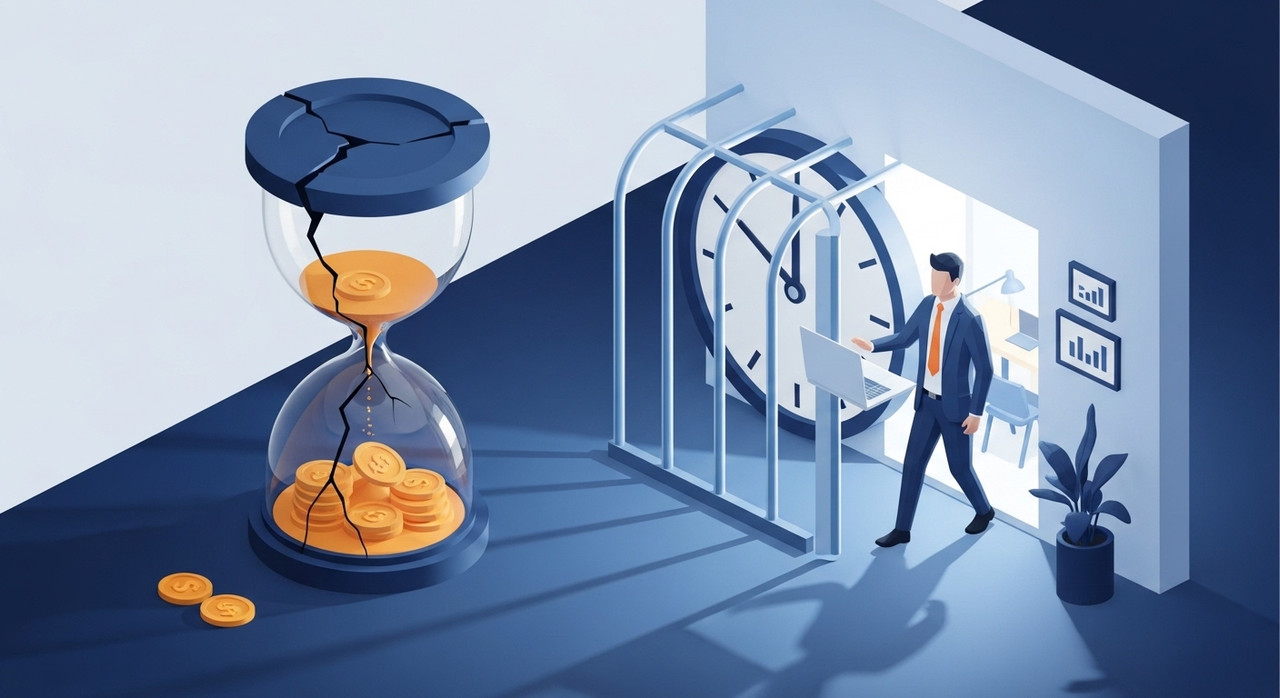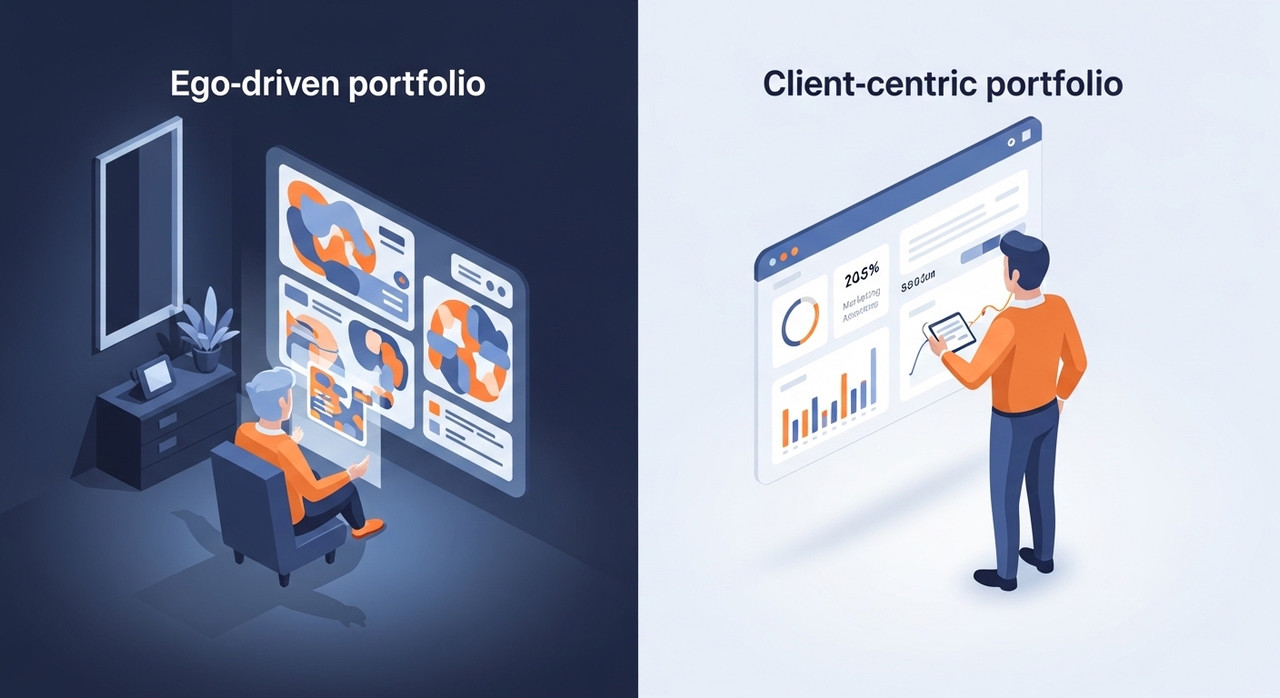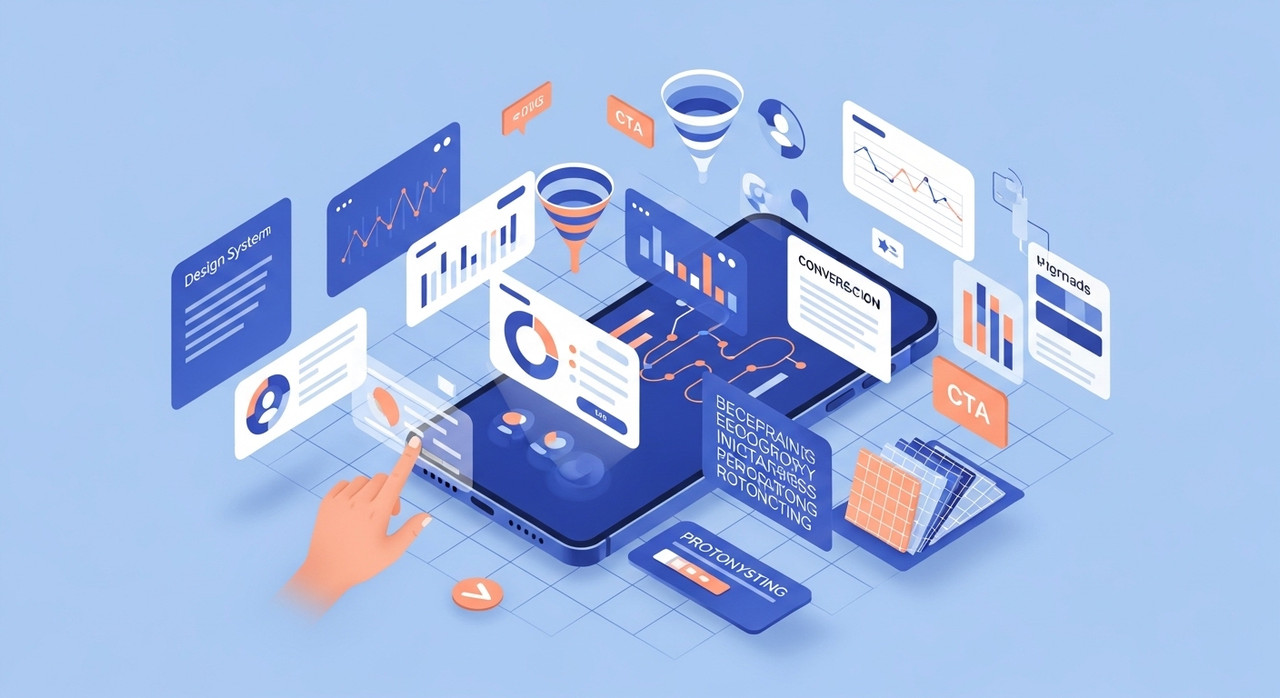
Finding the perfect balance between a "beautiful" website and a "functional" one is the eternal struggle of digital product owners. You invest in a stunning, minimalist layout with high-end animations, only to realize your bounce rate is climbing and your "Sign Up" button is being ignored.
In 2026, the "pretty but empty" design era is over. Users have shorter attention spans and higher expectations for privacy and speed. If your UI doesn't immediately communicate logic and intent, your aesthetics are actually working against you.
The solution isn't to make your site "uglier" for the sake of utility. Instead, top-tier platforms are adopting Conversion-Logic Design—a framework where every visual choice is backed by a behavioral "why."
In this guide, we’ll break down the dominant UI/UX trends of 2026 that successfully merge high-end aesthetics with aggressive conversion optimization.
The "Agentic UX" Revolution: Designing for Intent
The biggest shift in 2026 isn't a color or a font; it’s Agentic UX. Traditional interfaces are passive—they wait for you to click. Agentic interfaces are active—they anticipate what you need.
To understand this shift, you have to look at how we’ve moved past static templates.
Traditional UI: Offers a generic menu and a standard "Contact Us" form to everyone.
Agentic UX: Uses real-time behavioral data to adapt. If a visitor scrolls to the pricing section twice, the UI might subtly highlight a "Compare Plans" button or trigger a tailored AI assistant that answers specific billing questions.
The Result:
- Reduced Friction: Users find answers without searching.
- Hyper-Personalization: The interface "feels" like it was built for that specific user.
- Higher ROI: By guiding the user toward the most logical next step, conversion rates often jump by 20–30%.
Why Modern Aesthetics Must Support Conversion
Beyond the "cool factor," there are three critical reasons why 2026 design trends focus on logic-driven aesthetics.
1. The Death of "Dark Patterns"
Regulatory bodies and savvy users now reject manipulative design (like hidden "unsubscribe" buttons). Modern high-conversion logic relies on Trust-Forward UI. Clear pricing, honest opt-ins, and visible security cues are now the primary drivers of sales.
2. Tactile Depth (Glassmorphism 2.0)
Flat design is evolving into something more tactile. By using "liquid glass" effects and subtle 3D layering, designers create a Visual Hierarchy that cloud-based tools can't match. This depth tells the user’s brain exactly what is interactive and what is background information, reducing "decision fatigue."
3. Performance-First Creativity
A 5-second load time is a conversion killer. 2026 trends favor lightweight motion (CSS micro-interactions) over heavy JavaScript libraries. If an animation doesn't help the user complete a task (like a button that "pulses" when a form is valid), it shouldn't be there.
Comparison: Aesthetic Design vs. Conversion-Logic Design
| Feature | Aesthetic-Only Design | Conversion-Logic (2026) |
|---|---|---|
| Primary Goal | Visual "Wow" Factor | User Task Completion |
| Typography | Thin, light, "elegant" fonts | Bold, high-contrast, scannable |
| Animation | Decorative / Distracting | Functional / Feedback-based |
| Layout | Rigid Grids / Templates | Adaptive / Intent-driven |
| Accessibility | Afterthought | Foundation (WCAG 2.1+) |
Step-by-Step: How to Audit Your Site for 2026 Standards
Ready to turn your portfolio or SaaS into a conversion machine? Follow this high-level audit.
Step 1: The "Squint Test" Look at your homepage and squint your eyes until everything is blurry.
Is the Call-to-Action (CTA) still the most prominent element? If not, your colors and white space need adjustment.
Step 2: Check for Micro-Feedback Interact with your buttons and forms. Do they respond instantly?
Action: Add subtle haptic feedback or color shifts to confirm clicks.
Step 3: Analyze "Time to Answer" Can a user understand exactly what you offer within 3 seconds?
Tip: Use oversized, bold headlines (kinetic typography) to state your value proposition clearly.
Step 4: Optimize for Mobile-First Motion Test your site on a mid-range smartphone.
Does the 3D element lag? Are the tap targets at least 44x44 pixels?
Step 5: Deploy Trust Signals Remove generic stock photos. Replace them with "Evidence-Based Design": client logos, real results, and transparent pricing blocks.
Conclusion
Aesthetics get users to stay, but logic gets them to pay.
In 2026, the most successful sites are those that treat UI/UX not as "art," but as a bridge between a user's problem and your solution. By adopting Agentic UX, tactile depth, and performance-first motion, you create an environment where the user feels both delighted and directed.